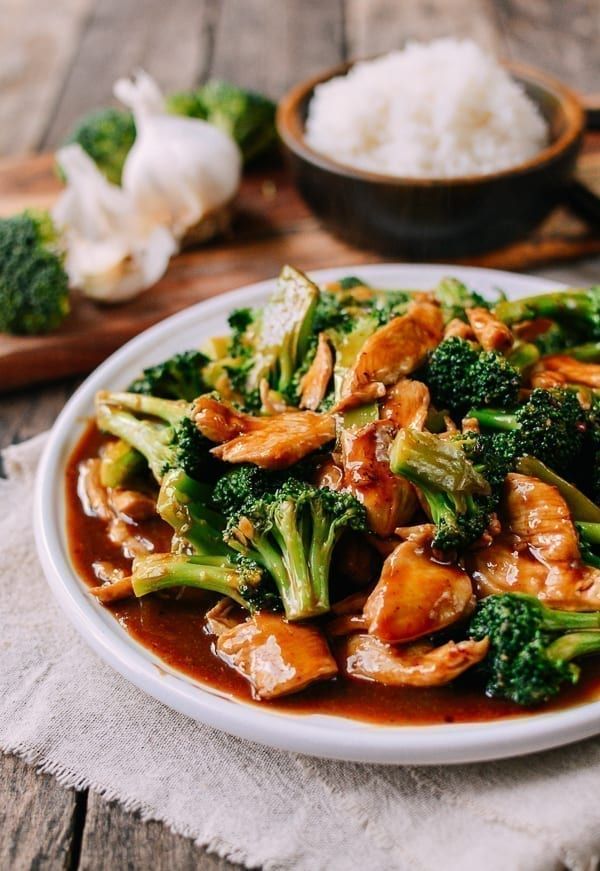
Ah, Chinese Chicken Broccoli. For many, it's not just a dish; it's a comforting, familiar culinary embrace, the go-to order that defines countless takeout nights. This beloved classic, with its tender chicken and crisp-tender broccoli, holds a special place in the heart of Chinese-American cuisine. But beyond its universal appeal lies a subtle yet significant choice that often divides connoisseurs and casual diners alike: the sauce. Are you a devotee of the rich, savory depth of brown sauce, or do you lean towards the delicate, nuanced flavors of its white counterpart? Understanding the distinction between these two iconic preparations is key to truly appreciating and even mastering your favorite homemade Chinese Chicken Broccoli.
The Enduring Appeal of Chinese Chicken Broccoli
There's a reason Chinese Chicken Broccoli consistently ranks among the most ordered items from Chinese restaurants across the globe. It’s a beautifully balanced meal, offering lean protein and vibrant green vegetables in a harmonious package. The simplicity of its core ingredients belies the complexity of flavor that can be achieved, making it both a satisfying main course and a perfect complement to a bowl of fluffy white rice. Its popularity isn't accidental; it’s a testament to its versatility, accessibility, and the pure comfort it delivers. Whether you're seeking a quick weeknight dinner or a special occasion feast, this dish rarely disappoints. But the true magic, the soul of the dish, often resides in its glistening, flavorful sauce.
Decoding the Brown Sauce: A Symphony of Umami
For many, the mention of Chinese Chicken Broccoli immediately conjures images of chicken and broccoli bathed in a thick, glossy, amber-hued brown sauce. This version is, without a doubt, the overwhelming favorite in Chinese restaurants, largely due to its deep, tantalizing umami flavors.
Key Characteristics and Flavor Profile
The brown sauce is a powerhouse of savory, slightly sweet, and aromatic notes. Its distinctive color comes primarily from regular and dark soy sauces, which also contribute significantly to its umami depth. Key ingredients typically include:
- Soy Sauce: Both light (for saltiness) and dark (for color and richer flavor) are often used.
- Oyster Sauce: A crucial ingredient that provides a complex, savory, and slightly sweet umami punch.
- Shaoxing Wine (Chinese Rice Wine): Adds an irreplaceable aromatic depth and cuts through richness.
- Sesame Oil: Contributes a nutty, toasted aroma, usually added at the very end.
- Sugar: Balances the saltiness and enhances the overall flavor profile.
- White Pepper: Offers a subtle, earthy heat.
- Aromatics: Fresh ginger and garlic form the foundation, providing pungent warmth.
The combination of these ingredients creates a multi-layered flavor experience that is robust, savory, and incredibly satisfying. The rich, almost caramelized appearance of the sauce makes it visually appealing and indicative of the hearty flavors within.
Why Brown Sauce Reigns Supreme for Many
Brown sauce’s popularity isn't just about tradition; it’s about a deeply satisfying flavor profile that resonates with the American palate. It’s the sauce that defines much of the "takeout" experience, often associated with a comforting richness. Its robustness pairs wonderfully with both the chicken and the slight bitterness of the blanched broccoli, creating a harmonious and balanced bite. For those who crave bold, savory flavors, brown sauce is the undisputed champion.
Crafting the Perfect Brown Sauce at Home
Replicating that authentic brown sauce at home is entirely achievable. The secret lies in balancing the sweet, savory, and aromatic elements. A crucial step is the use of a cornstarch slurry (cornstarch mixed with an equal part of cold water) at the end of the cooking process. This slurry is what thickens the sauce, giving it that characteristic glossy sheen and ensuring it beautifully coats every piece of chicken and florets of broccoli. Don't be shy with the aromatics; fresh ginger and garlic are foundational to building that authentic taste.
Embracing the White Sauce: Delicate Flavors and Lighter Fare
While brown sauce often steals the spotlight, the white sauce version of Chinese Chicken Broccoli offers a distinct and equally delightful culinary journey for those who prefer a subtler, fresher approach.
A Subtler Palate: Ingredients and Taste
Unlike its darker counterpart, white sauce focuses on highlighting the natural flavors of the chicken and broccoli with a lighter touch. Its appearance is translucent, allowing the vibrant colors of the ingredients to shine through. The flavor profile is clean, savory, and often described as more "pure" or "delicate." Key ingredients typically include:
- Shaoxing Wine: Remains a cornerstone for its aromatic qualities.
- Ginger and Garlic: Provide essential aromatic base, often in slightly larger quantities to compensate for the absence of strong soy/oyster flavors.
- Sesame Oil: Used sparingly, often just a few drops at the end for aroma.
- Chicken Broth or Stock: Forms the primary liquid base, adding savory depth without darkness.
- White Pepper: A key seasoning, contributing a mild, distinct warmth.
- Salt and Sugar: Carefully balanced to enhance natural flavors.
Without the dominant presence of soy sauce, the crispness of the broccoli and the natural sweetness of the chicken truly come to the forefront, creating a refreshing and bright dish reminiscent of classic Cantonese preparations like Moo Goo Gai Pan.
The "Healthy Crowd" and Beyond
The white sauce version often appeals to those seeking a lighter meal, or who simply prefer less intense seasonings. In many Chinese restaurants, particularly in family-owned establishments, customers would specifically request white sauce if they were looking for a healthier option, sometimes even asking for the chicken to be blanched instead of seared with oil. This method results in a dish that feels fresher and less "heavy," making it a fantastic choice for a nutritious and flavorful meal.
Mastering White Sauce at Home
Crafting an excellent white sauce demands precision in seasoning. Without the strong flavors of soy or oyster sauce, every ingredient must pull its weight. Ensuring you have high-quality chicken broth is essential, as it forms the backbone of the sauce. Don't underestimate the power of fresh ginger and garlic; they are your primary flavor drivers. The cornstarch slurry is still crucial for achieving that characteristic silky texture and glossy finish. The key is to build layers of subtle flavor, allowing the ingredients to speak for themselves rather than overpowering them.
Beyond the Sauce: Mastering Chinese Chicken Broccoli Techniques
Regardless of your sauce preference, the foundation of a truly exceptional Chinese Chicken Broccoli lies in the proper preparation of its core ingredients.
Choosing Your Protein: Breast vs. Thighs
Traditional Chinese restaurants almost universally opt for chicken breast in their Chicken and Broccoli dishes, largely catering to the American preference for white meat. Chicken breast cooks quickly and offers a lean protein source. However, for the home cook, especially if you're aiming for maximum flavor and juiciness, don't shy away from using chicken thighs. Chicken thighs have a higher fat content, making them far more forgiving and harder to overcook. They deliver a richer flavor and a tender, succulent texture that many find superior. When seared in a hot wok, they can even develop a delightful aroma reminiscent of fried chicken!
The Art of Preparation: Chicken and Broccoli
- Chicken: Start by slicing your chicken (breast or thigh) against the grain into uniform, bite-sized pieces. To ensure ultimate tenderness, consider marinating your chicken, even for a short 20-30 minutes. An authentic Chinese method involves "velveting" the chicken with cornstarch, a touch of oil, and sometimes an egg white or Shaoxing wine. This creates a protective coating that keeps the chicken moist and tender during high-heat cooking. For quick preparation, marinate your chicken overnight, and it'll be ready for a speedy stir-fry the next day.
- Broccoli: The broccoli should be crisp-tender, never mushy. The classic restaurant technique involves blanching the broccoli in boiling water for just a minute or two, followed by a quick plunge into an ice bath to stop the cooking and preserve its vibrant green color. For ultimate convenience, pre-washed and pre-cut broccoli florets are a fantastic time-saver.
The Stir-Fry Method: Wok Mastery
The beauty of Chinese Chicken Broccoli lies in the quick, high-heat cooking method known as stir-frying. This technique ensures that both the chicken and broccoli retain their best textures. Here’s a typical flow:
- Blanch Broccoli: Quickly blanch the broccoli and set aside.
- Sear Chicken: Sear the marinated chicken in a hot wok or large skillet until just cooked through. Remove and set aside.
- Sauté Aromatics: Add a little more oil to the wok and quickly sauté ginger and garlic until fragrant.
- Add Sauce: Pour in your prepared brown or white sauce base, bring to a simmer, and then thicken with the cornstarch slurry.
- Combine: Return the chicken and broccoli to the wok, tossing quickly to coat everything evenly in the glistening sauce.
Mastering this technique is key to achieving that restaurant-quality dish. If you're ready to dive deeper into recreating your favorite takeout dishes, be sure to explore how to Make Authentic Chinese Chicken Broccoli Better Than Takeout with detailed step-by-step guidance.
Elevating Your Homemade Chinese Chicken Broccoli Experience
Bringing the flavors of your favorite Chinese takeout into your home kitchen offers endless possibilities for customization and convenience.
Time-Saving Tips for Busy Weeknights
Life gets hectic, but that doesn't mean sacrificing delicious, homemade meals. Here are some tricks to speed up your Chinese Chicken Broccoli preparation:
- Prep Ahead: Slice your chicken and marinate it overnight. It makes cooking the next day a breeze.
- Pre-Made Sauce: Whip up a larger batch of your favorite brown or white stir-fry sauce and store it in the refrigerator. It's a game-changer for spontaneous stir-fries.
- Pre-Cut Veggies: Utilize pre-washed and pre-cut broccoli florets straight from the bag to save chopping time.
For more strategies on whipping up a delicious meal in record time, check out our guide to a Minute Chinese Chicken Broccoli: Quick & Easy Homemade Recipe.
Customization and Versatility
The beauty of the Chinese stir-fry method extends far beyond chicken and broccoli. Once you've mastered the basic technique, you can easily adapt it to other proteins and vegetables. Swap chicken for beef, shrimp, or tofu. Introduce snow peas, carrots, bell peppers, or mushrooms for added variety and nutrition. The principles of the sauce and cooking method remain the same, allowing you to create an endless array of delicious and healthy meals tailored to your taste.
Serving Suggestions
While classic white rice is the traditional accompaniment, feel free to get creative. Brown rice or quinoa offer healthier grain options, while noodles can transform it into a one-bowl meal. For those following a low-carb diet, simply enjoy the chicken and broccoli on its own – it’s flavorful enough to stand alone!
Whether your loyalty lies with the deep, savory embrace of brown sauce or the bright, delicate dance of white sauce, Chinese Chicken Broccoli remains a testament to the versatility and deliciousness of home-cooked Chinese cuisine. By understanding the nuances of each sauce and mastering the fundamental cooking techniques, you can confidently create a dish that rivals, if not surpasses, your favorite takeout. So, gather your ingredients, fire up your wok, and embark on a delicious journey to culinary satisfaction.
