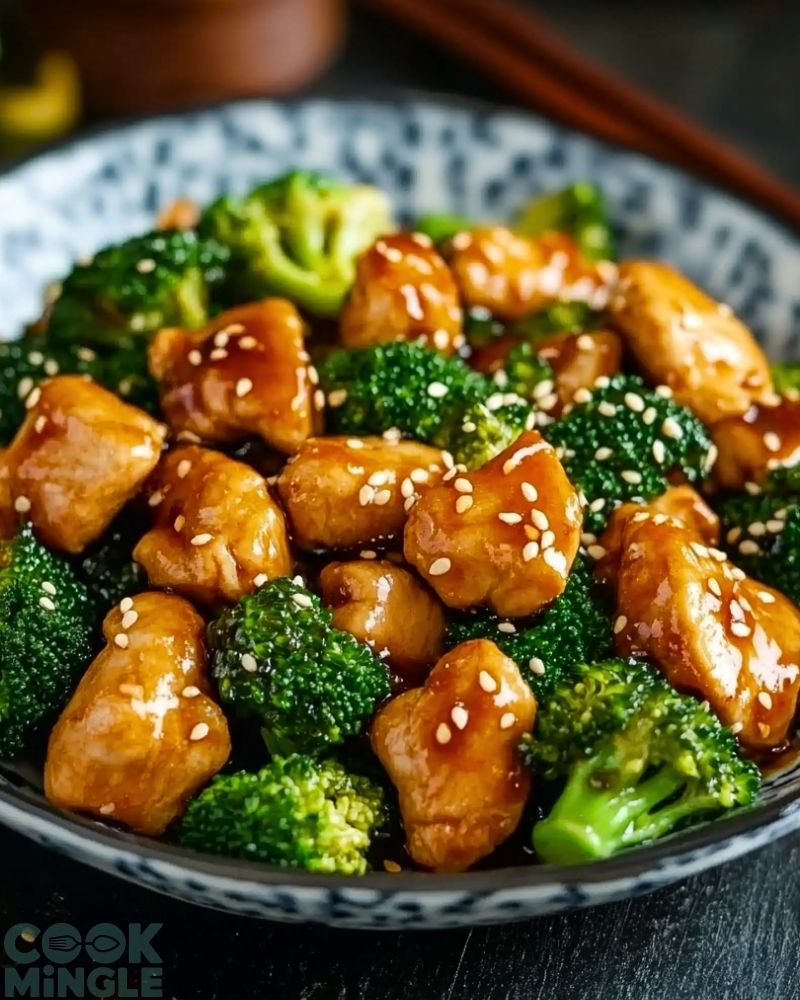
Make Authentic Chinese Chicken Broccoli Better Than Takeout: Your Ultimate Guide
There's a reason why `chinese chicken broccoli` consistently ranks as one of the most beloved dishes on any takeout menu. Its irresistible combination of tender chicken, vibrant, crisp-tender broccoli, and a savory, glossy brown sauce hits all the right notes. But what if we told you that achieving that perfect takeout taste – and even surpassing it – is entirely possible in your own kitchen? Forget bland, uninspired versions; this guide will empower you to create truly authentic `chinese chicken broccoli` that will make you rethink your delivery habits for good.
Many home cooks shy away from recreating their favorite Chinese dishes, assuming they require obscure ingredients or complex techniques. The truth, however, is far simpler. With a few key restaurant-inspired methods and a well-balanced sauce, you can transform humble chicken and broccoli into a culinary masterpiece. Not only is homemade `chinese chicken broccoli` more budget-friendly, but it also allows you to control the quality of your ingredients and tailor the flavors to your exact preference. Get ready to impress your family and friends with a dish that's bursting with flavor and remarkably satisfying.
Unlocking the Secrets of Authentic Chinese Chicken Broccoli
The magic behind restaurant-quality `chinese chicken broccoli` lies in a few fundamental techniques that ensure optimal texture and flavor. These aren't complicated, but they are crucial for elevating your dish from good to extraordinary.
Firstly, consider the preparation of the broccoli. Instead of simply tossing raw florets into the stir-fry, Chinese restaurants almost always blanch them first. This quick dip in boiling water followed by an immediate plunge into an ice bath serves multiple purposes: it locks in the broccoli's vibrant green color, ensures a perfectly crisp-tender texture, and reduces cooking time in the wok. This small step makes a significant difference, preventing mushy or undercooked vegetables.
Next, the chicken. Whether you opt for lean chicken breast or juicy thighs, the goal is a perfectly seared exterior and a tender, moist interior. This is achieved by searing the chicken separately in a hot wok or skillet, often in batches to avoid overcrowding. This creates a flavorful crust and prevents the chicken from steaming. Only once both the chicken and broccoli are perfectly cooked are they reunited with the star of the show: the sauce.
Finally, the signature brown sauce. This isn't just poured over; it's thickened and integrated into the dish. A cornstarch slurry (cornstarch mixed with cold water) is the secret weapon here. Added at the end, it transforms the thin liquid into a rich, glossy sauce that beautifully coats every piece of chicken and broccoli, delivering that luscious, restaurant-style finish. The interplay of these techniques creates a harmonious dish where every component shines, setting your homemade `chinese chicken broccoli` apart from the rest.
A quick note on sauce preferences: while this article focuses on the beloved brown sauce, some patrons prefer a delicate white sauce. This alternative typically highlights the fresh, subtle notes of ginger, garlic, and Shaoxing wine without the strong presence of soy or oyster sauce. For a deeper dive into these distinct flavor profiles, explore our comprehensive guide:
Brown vs. White Sauce: Your Guide to Chinese Chicken Broccoli.
Crafting the Perfect Brown Sauce: A Symphony of Flavors
The heart and soul of our authentic `chinese chicken broccoli` recipe is undoubtedly its savory brown sauce. This complex yet harmonious blend of ingredients delivers the deep umami, sweet, and aromatic notes that define classic Chinese takeout. Understanding the role of each component is key to mastering this delicious concoction.
Here’s a breakdown of the essential elements and why they matter:
- Soy Sauces (Light and Dark): Regular (or light) soy sauce provides the primary salty, savory base. Dark soy sauce, while also salty, is prized more for its rich, darker color and slightly thicker consistency, adding visual appeal and a deeper, more mellow flavor profile to the sauce.
- Oyster Sauce: A cornerstone of many Chinese brown sauces, oyster sauce contributes a unique, savory sweetness and a profound umami depth that's difficult to replicate. Don't let the name deter you; its flavor is far from overtly "fishy."
- Shaoxing Wine: This essential Chinese rice wine adds a distinct aromatic complexity and depth of flavor that is irreplaceable. It brightens the sauce and helps tenderize the chicken. If you can't find it, a dry sherry can be a passable substitute in a pinch, but Shaoxing is highly recommended.
- Sesame Oil: Added sparingly at the end, toasted sesame oil imparts a wonderfully nutty aroma and flavor, a hallmark of many Chinese dishes. Its potent flavor means a little goes a long way.
- Sugar: A touch of sugar (often granulated or brown) balances the savory and salty components, rounding out the flavor profile and adding a subtle sweetness that makes the sauce more addictive.
- White Pepper: Offering a more subtle heat and unique aroma than black pepper, white pepper is a traditional seasoning in Chinese cuisine that complements the other flavors without overpowering them.
- Aromatics (Ginger and Garlic): Freshly minced ginger and garlic are sautéed at the beginning of the sauce-making process, infusing the oil and subsequent sauce with their pungent, fragrant notes. These are non-negotiable for an authentic taste.
- Cornstarch Slurry: The final touch! A mixture of cornstarch and cold water, added to the simmering sauce, thickens it to that perfect, glossy consistency that clings beautifully to the chicken and broccoli.
By combining these ingredients thoughtfully, you create a sauce that is rich, balanced, and bursting with the authentic flavors you crave from your favorite `chinese chicken broccoli` dish.
Mastering the Components: Chicken and Broccoli Perfection
Achieving the ideal texture for both your chicken and broccoli is fundamental to a truly outstanding homemade `chinese chicken broccoli`. Each component requires specific attention to detail to ensure it contributes perfectly to the overall dish.
Choosing and Preparing Your Chicken
Chinese restaurants traditionally use chicken breast for `chinese chicken broccoli`, largely due to American preferences for white meat. Chicken breast offers a lean protein that cooks quickly. However, it’s also easier to overcook, leading to dry, rubbery results. The key to tender chicken breast is slicing it thinly against the grain, marinating it briefly (often with a mix of soy sauce, Shaoxing wine, cornstarch, and a pinch of sugar), and cooking it quickly over high heat until just done. Mastering this is indeed an art, but one that pays off with incredibly tender, juicy chicken.
For those who prefer a richer flavor and more forgiving cooking experience, chicken thighs are an excellent alternative. Dark meat chicken thighs boast a higher fat content, making them harder to overcook and inherently juicier. When seared in a hot wok, they develop a fantastic crust and aroma reminiscent of fried chicken, adding another layer of deliciousness to your `chinese chicken broccoli`. Simply trim any excess fat, slice them into bite-sized pieces, and marinate them just like you would chicken breast for extra flavor and tenderness. The choice between breast and thigh is ultimately personal, but both can yield fantastic results with the right technique.
Perfecting Your Broccoli
The bright green, crisp-tender broccoli found in takeout `chinese chicken broccoli` is no accident. As mentioned earlier, blanching is the secret. To achieve this, bring a pot of salted water to a rolling boil. Add your broccoli florets (fresh or pre-cut from a bag) and cook for just 1-2 minutes. You want them to turn a vibrant green and be slightly tender but still have a bite. Immediately drain them and plunge them into an ice bath to stop the cooking process. This preserves their color, texture, and nutritional value, ensuring they remain perfectly crisp and appealing when added to the stir-fry. Skipping this step can lead to dull, overcooked, or too-raw broccoli, so don't underestimate its importance.
Bringing It All Together: The Stir-Fry Magic
With your chicken marinated, broccoli blanched, and sauce prepared, you're ready for the grand finale: the stir-fry. The beauty of this stage is its speed and efficiency, bringing all the perfectly prepared components together into a cohesive, flavorful dish.
The key to a successful stir-fry is high heat and quick movements. Start by heating your wok or large skillet over medium-high to high heat. Add a bit of cooking oil, then quickly sear your marinated chicken in batches. Don't overcrowd the pan, as this will steam the chicken instead of searing it. Once the chicken is cooked through and lightly browned, remove it from the wok and set it aside.
Next, add a touch more oil if needed, then quickly sauté your minced ginger and garlic until fragrant, usually just 30 seconds to a minute. Be careful not to burn them. Immediately pour in your pre-mixed brown sauce. Bring it to a gentle simmer, allowing it to thicken slightly. Once it begins to bubble, slowly whisk in your cornstarch slurry. Continue stirring until the sauce reaches your desired glossy, thick consistency that will cling to the chicken and broccoli.
Finally, return the seared chicken and blanched broccoli to the wok with the thickened sauce. Toss everything together vigorously for about a minute, ensuring every piece is evenly coated. This final toss heats everything through without overcooking the delicate chicken or broccoli. A drizzle of toasted sesame oil at the very end adds that quintessential aromatic finish.
This method isn't just for `chinese chicken broccoli`! Once you've mastered the technique, you can easily adapt it for a myriad of other dishes using different proteins like beef or shrimp, and various vegetables such as bell peppers, snap peas, or mushrooms. The possibilities are endless for creating your own personalized stir-fries. For an even quicker approach to this delicious dish, check out our guide to making it in record time:
Minute Chinese Chicken Broccoli: Quick & Easy Homemade Recipe.
Essential Tips for Takeout-Quality Results at Home
Achieving takeout-level perfection with your homemade `chinese chicken broccoli` comes down to a few practical tips that streamline the cooking process and enhance the final product.
*
Master Your Mise en Place: This French culinary term, meaning "everything in its place," is paramount for stir-frying. Have all your ingredients prepped, measured, and ready to go before you even turn on the stove. The stir-fry process is incredibly fast, so you won't have time to chop or measure once cooking begins.
*
Prepare Ahead: Take advantage of make-ahead opportunities. Slice and marinate your chicken overnight to infuse maximum flavor and tenderness. Mix your stir-fry sauce components in a jar and keep it in the refrigerator. Blanch your broccoli a few hours in advance. These steps dramatically reduce active cooking time.
*
High Heat is Your Friend: Stir-frying thrives on high heat. Ensure your wok or skillet is screaming hot before you add any ingredients. This creates that desirable "wok hei" (breath of the wok) flavor and ensures a proper sear on your chicken, rather than a slow steam.
*
Don't Overcrowd the Pan: This is a common mistake. Cooking too much chicken or too many vegetables at once will lower the pan's temperature, leading to steaming instead of searing, and dull, soggy results. Cook in batches if necessary.
*
The Right Tools: While a traditional wok is ideal for stir-frying due to its high heat retention and sloped sides, a large, heavy-bottomed skillet (cast iron or stainless steel) can work effectively. Just ensure it can withstand high heat.
*
Adjust Seasoning: Always taste your sauce before combining everything. Adjust salt (with more soy sauce), sweetness (sugar), or heat (white pepper) to suit your palate. Remember, saltiness can vary between different brands of soy sauce and oyster sauce.
*
Serve Immediately: Stir-fries are best enjoyed fresh off the wok. Have your steamed rice or noodles ready to go as soon as the `chinese chicken broccoli` is finished cooking.
Conclusion
You now possess the knowledge and techniques to create `chinese chicken broccoli` that rivals, and often surpasses, your favorite takeout version. By understanding the importance of proper preparation, mastering the components, and crafting a rich, authentic brown sauce, you're not just cooking a meal; you're embarking on a culinary journey. The satisfaction of preparing this beloved dish from scratch, tailored to your taste, is immense. So, ditch the delivery menu, gather your ingredients, and get ready to enjoy truly authentic `chinese chicken broccoli` right in your own home. Your taste buds will thank you!